In today’s fast-moving corporate world, you really can’t underestimate how important a good ergonomic office chair is. I mean, surveys show that more than half of workers feel uncomfortable at their desks because of bad seating — no surprise, right? That’s why we’re seeing a big jump in demand for ergonomic furniture. According to reports from the Global Industry Analysts, the market for ergonomic Office Furniture is expected to hit aroundUSD 94 billion by 2027. It’s all about increasing awareness of workplace wellness and productivity. Here at Guangdong Junshi Intelligent Furniture Co., Ltd., we’re right in the middle of this trend. We’re constantly innovating smart office solutions that perfectly blend the latest tech with ergonomic design. Our talented R&D team works closely with governments, companies, and institutions to create customized intelligent workspace setups. The goal? Helping employees work smarter—and healthier—so they can stay productive without sacrificing their well-being.
When you're navigating the world of selling ergonomic Office Chairs globally, getting a handle on the key certifications is pretty much a must. It’s what assures your customers that the chairs meet certain quality and safety standards. Take ANSI/BIFMA, for instance — it’s all about making sure furniture, especially chairs, are safe, reliable, and built to last. And let’s be honest, these days, buyers are really focusing on health and comfort, so certification like this actually helps manufacturers show they care about ergonomic design and user well-being.
Then there are other important ones like ISO 9241 and GS (that’s 'Geprüfte Sicherheit', meaning ‘Tested for Safety’ in German). ISO 9241 checks if the chair actually works well for users — basically assessing how user-friendly and ergonomic it is. The GS mark is all about safety tests and making sure the product sticks to strict German safety rules. If your company’s dealing with international markets, having these certifications isn’t just a badge of honor — it actually boosts your credibility and gives customers peace of mind that they’re investing in chairs that support their health and help them stay productive at work.
You know, ergonomics really plays a big part when it comes to designing office furniture. More companies are waking up to the fact that a well-thought-out workspace can do wonders for employee happiness and productivity.
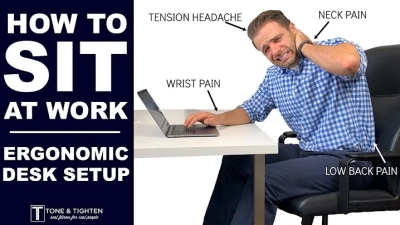
I recently came across a 2021 report from OSHA—yeah, the Occupational Safety and Health Administration—that emphasized how good office ergonomics can seriously cut down the chances of developing musculoskeletal issues. It’s kinda shocking to learn that over 30% of workers face these kinds of health problems. Not only do these conditions cause discomfort and health issues, but they also cost companies billions every year in lost productivity and healthcare costs.
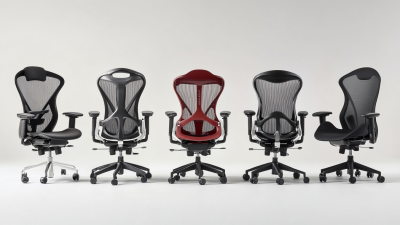
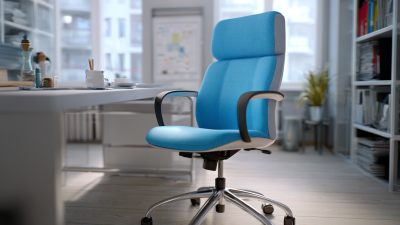
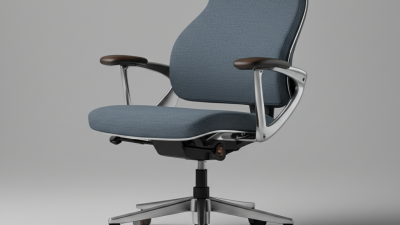
Now, investing in a good ergonomic office chair? Totally worth it. Studies are pretty clear—when people sit comfortably, their productivity can go up by as much as 20%. A decent chair should support your natural posture—think lumbar support and plenty of adjustability are key. The Human Factors and Ergonomics Society actually recommends Adjustable Chairs because they boost comfort and help you perform better, especially since everyone’s body is a little different.
A couple of quick tips: when you’re shopping for an Ergonomic Chair, look for ones that let you tweak the seat height, depth, and lumbar support. And if you can, go for a chair made from breathable materials so you don’t get too hot or sweaty after long hours. Oh, and don’t forget—taking regular breaks to stretch and shift your posture is still one of the best ways to avoid discomfort and injuries.Trust me, your body (and your back) will thank you.
When you're out there sourcing ergonomic office chairs for the global market, it's really important to pay close attention to your suppliers — especially their certifications. A solid certification from a trusted organization basically shows that the product meets certain health and safety standards, which is super key for making customers happy and avoiding any legal headaches. Keep an eye out for credible certificates from places like ANSI/BIFMA, which are big players in the U.S., or ISO standards that show the company's got quality management sorted. Not only do these endorsements confirm the chair’s ergonomic claims, but they also give your products a bit of an edge over the competition.
And here’s a tip — don’t just look at the certificate itself. It’s worth digging into the whole certification process. Check how long the supplier has held these certs and whether they've been updated or renewed recently. It’s also a good idea to ask about how they handle quality control and if they’re constantly gathering feedback from users to make their chairs better. Focusing on these details really helps you team up with suppliers who genuinely care about ergonomic health and have proven, validated products. That way, you’re not just playing it safe — you’re making smart moves in the global arena.
When you're shopping for ergonomic office chairs, it's super important to check out their certifications. Makes sense, right? You want to make sure that the chair isn’t just comfy but also up to health standards. A well-certified chair does more than just look good — it helps create a healthier and more comfortable workspace. If your business is involved in global trade, this stuff really matters. So, I’m here to walk you through some simple steps to verify those certifications, so you can make smarter purchasing choices.
First off, take a close look at the labels on the chair. Look for some of the big international standards like BIFMA, ANSI, or ISO—they’re kind of the gold standards in this field because they’ve got strict testing behind them. Once you find those, do a quick background check on the certifying organization. Just hop onto their official website and see if the chair manufacturer is listed among their authorized producers—that way, you know it’s legit.
And don’t be shy about reaching out directly to the manufacturer. Ask for the latest audit reports or quality assurance certificates—they should be able to send you proof that they meet those standards. Doing a little extra legwork like this not only protects your investment but also makes sure your office setup is designed with ergonomic health in mind. Plus, it’s good for your team’s well-being and can even boost overall productivity.
Basically, taking these steps helps you pick the right chair without the guesswork, making sure everyone stays comfortable and healthy in the long run.
In today’s super competitive market, snagging ergonomic office chair certifications can really boost a brand’s credibility and make it more appealing to customers. I mean, did you know that according to the American Chiropractic Association, over 80% of adults have dealt with back pain at some point? That’s why ergonomic design isn’t just a fancy feature anymore — it’s a must for buyers. When companies get certifications like BIFMA or Greenguard, they’re basically showing they care about health and the environment, which really clicks with modern consumers. Those brands that make the effort to get certified can stand out from the crowd — and some data even suggests they could see sales jump by around 20% in a pretty crowded marketplace.
And here’s something interesting — Research and Markets recently pointed out that the global office chair market is expected to hit nearly $20 billion by 2027, mainly because folks are becoming more aware of workplace wellness. So, if a company wants to hop onto this wave, chasing after recognized certifications should definitely be part of their plan. Not only does it give a stamp of quality—making sure products meet certain safety and eco-standards—but it also gives them a leg up over the competition. Customers are more likely to pick products that follow tough environmental and safety rules. Overall, by aligning with these certifications, brands aren’t just meeting what consumers want — they’re also setting themselves up as leaders in the ergonomic office furniture game.
| Certification Name | Issuing Organization | Key Criteria | Benefits for Trade | Market Recognition |
|---|---|---|---|---|
| ANSI/BIFMA | Business and Institutional Furniture Manufacturers Association | Durability, safety, and performance | Increases consumer trust, facilitates international trade | Widely recognized in North America |
| Ergonomics GOLD | The World Confederation for Ergonomics | Ergonomic design and usability | Enhances product appeal in competitive markets | Global recognition in ergonomic products |
| FIRA Ergonomics | Furniture Industry Research Association | Ergonomics and functionality | Validates ergonomic claims for market advantage | Recognized in Europe and beyond |
| GS Mark | TÜV Rheinland | Safety and quality assurance | Boosts credibility in international markets | Highly recognized in Germany |
| CE Mark | European Union | Health, safety, and environmental protection | Essential for market access in Europe | Widely recognized across Europe |
When it comes to global trade, building strong relationships with suppliers is honestly pretty essential if you want to succeed. A good way to do that? Keep the lines of communication open. Regular check-ins—whether it’s a quick video call or just dropping an email—help make sure everyone’s on the same page about expectations, project timelines, and any hiccups that might pop up. When you communicate clearly, it builds trust and makes it easier to sort out problems quickly. Plus, it keeps things running smoothly and makes the whole collaboration a lot more enjoyable.
Another key point? Be transparent and honest in everything you do. Suppliers really appreciate integrity—they’re more likely to stick around if they feel like they’re being treated fairly. Sharing important info, like changes in demand or market shifts, allows suppliers to adjust their plans without surprises. And don’t forget to show some appreciation for their hard work—whether through good feedback or just a simple ‘thanks.’ Recognizing their efforts can go a long way in making the relationship stronger and more loyal. All in all, cultivating trust and open communication really helps create a positive, productive partnership—something that’s priceless in this tough world of global trade.
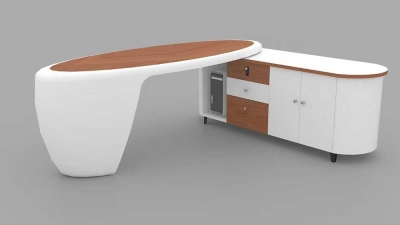
Transforming your workspace into a stylish and functional environment is essential for enhancing productivity and creativity. A high gloss lacquer office desk is the perfect centerpiece for achieving this goal. With its sleek, smooth surface and stunning design, a lacquer desk not only elevates the aesthetic appeal of your office but also offers remarkable durability, making it a favored choice among professionals. The reflection of light bouncing off its glossy finish adds an element of sophistication that can inspire and motivate.
The Junshi Intelligent lacquer office furniture series stands out for its exceptional range and ultra-high cost-effectiveness. Each piece is crafted from environmentally friendly materials, ensuring a health-conscious choice free from pollution. This versatility allows for customization tailored to your specific needs, complemented by fast shipping and a one-stop service that makes acquiring office furniture hassle-free. Whether you're optimizing space in a cramped home office or styling a larger corporate workspace, the high-grade appearance and quality performance of the Junshi lacquer desk will contribute significantly to an organized and inviting atmosphere.
: Ergonomics is crucial in office furniture design as it enhances employee productivity and well-being while significantly reducing the risk of musculoskeletal disorders (MSDs), which impact a large portion of the workforce.
Investing in ergonomic office chairs can enhance productivity by up to 20% as they provide necessary support for natural posture, lumbar support, and adjustability that contribute to comfort.
When selecting an ergonomic chair, look for adjustable seat height, seat depth, and lumbar support. Chairs made from breathable materials are also recommended to enhance comfort during long hours of use.
To verify certifications, identify the certification labels on the chair, research the certifying body for credibility, and directly contact the manufacturer for documentation like audit reports or quality assurance certificates.
Recognized international certification standards for ergonomic chairs include BIFMA, ANSI, and ISO, which ensure that the chairs undergo rigorous testing.
Strong supplier relationships are essential in global trade as they foster trust, streamline operations, and enable quicker issue resolution, ultimately enhancing productivity and collaboration.
Establishing open lines of communication through regular check-ins, whether by video calls or emails, is crucial to align expectations and address challenges collaboratively.
Prioritizing transparency and honesty in dealings, sharing relevant information, and recognizing their contributions can reinforce loyalty and create long-lasting partnerships.
Showing appreciation for suppliers' efforts, through feedback or acknowLEDgment, cultivates a positive working relationship and encourages their commitment to the partnership.
Taking frequent breaks to stretch and reset posture helps minimize discomfort and the risk of injury, enhancing the overall benefits of using ergonomic chairs.